
Taking out walls can completely change the look and feel of a home, but it is not something that should be rushed into without careful planning. Before starting any remodeling project, homeowners need to understand what may be hidden behind the drywall and how the structure of the house could be affected.
This article goes over the most important things to consider before knocking down walls.
Tips Before Knocking Down Walls
Before knocking down walls, it is important to have a clear plan for the space and understand how the change will affect the rest of the home. Many homeowners focus only on creating an open layout, but removing walls can impact everything from lighting and airflow to structural stability and utility systems.
A professional inspection can help identify issues early and prevent expensive mistakes later in the project.
One of the biggest problems homeowners face during renovations is discovering hidden complications after demolition has already started.
Costs can quickly rise if electrical wiring, plumbing pipes, or support structures need to be relocated unexpectedly.
Taking the time to review blueprints, speak with contractors, and understand the full scope of work can help the project stay safer, smoother, and closer to budget.
Know Whether a Wall Is Load-Bearing or Not
Another major concern before knocking down walls is determining whether the wall supports the weight of the structure above it. Load-bearing walls help carry the weight of upper floors or the roof and transfer that weight safely to the foundation.
Removing one without proper support can weaken the entire structure and create dangerous conditions inside the home.
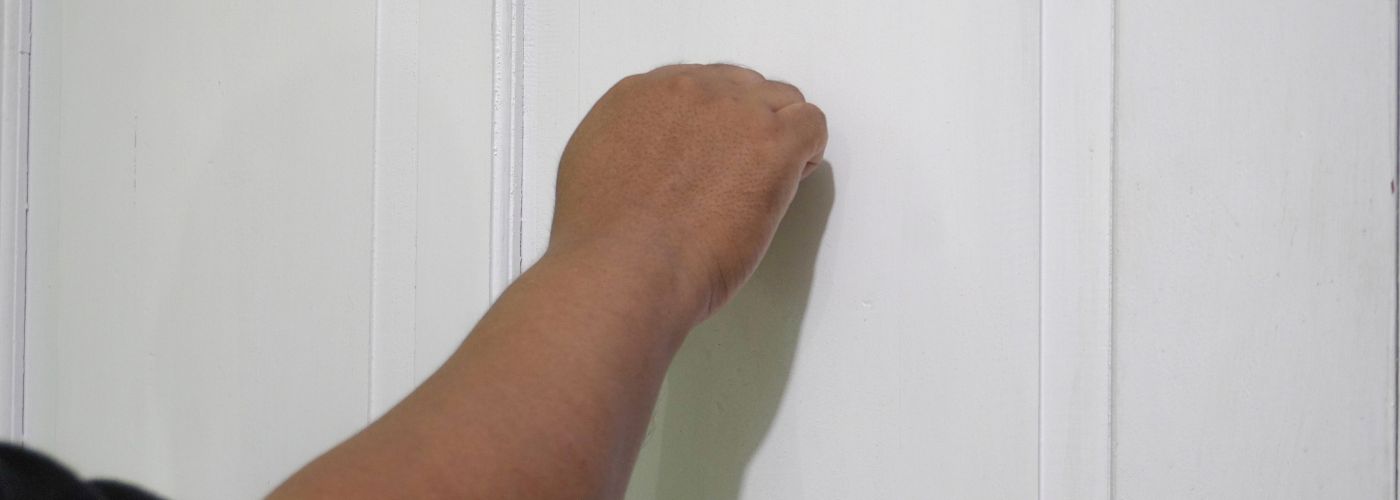
There are some signs that may suggest a wall is load-bearing, such as its location near the center of the house or alignment with beams and walls on upper levels. However, homeowners should never rely on guesswork alone.
A structural engineer or experienced contractor can confirm whether the wall is supporting weight and explain the safest way to proceed with the renovation. Understanding this before demolition starts can help avoid major structural problems later.
Identify Electrical, Plumbing, or HVAC Inside Walls
One of the first things to check before knocking down walls is whether the wall contains important systems like electrical wiring, plumbing pipes, or HVAC ductwork. Many walls do much more than divide rooms.
They may hide water lines for kitchens or bathrooms, ventilation systems, or electrical connections that power nearby outlets and lighting fixtures. Damaging these systems during demolition can lead to costly repairs and possible safety hazards.
Professional contractors often use inspection tools or small openings in the drywall to determine what is hidden inside a wall before removing it completely.
Cutting into a wall without understanding what is inside can create serious risks, including water damage, electrical shock, or loss of heating and cooling throughout parts of the home.
Even if the wall seems simple from the outside, there could be important components running through it that require careful relocation before demolition begins.
Evaluate the Need for Structural Support Beams
When load-bearing walls are removed, support beams are usually needed to carry the weight that the wall once supported. This is one of the most important steps in projects involving knocking down walls because the new beam must be strong enough to safely support the home’s structure.
Depending on the size of the opening and the weight above it, contractors may install steel beams, laminated wood beams, or other engineered materials.
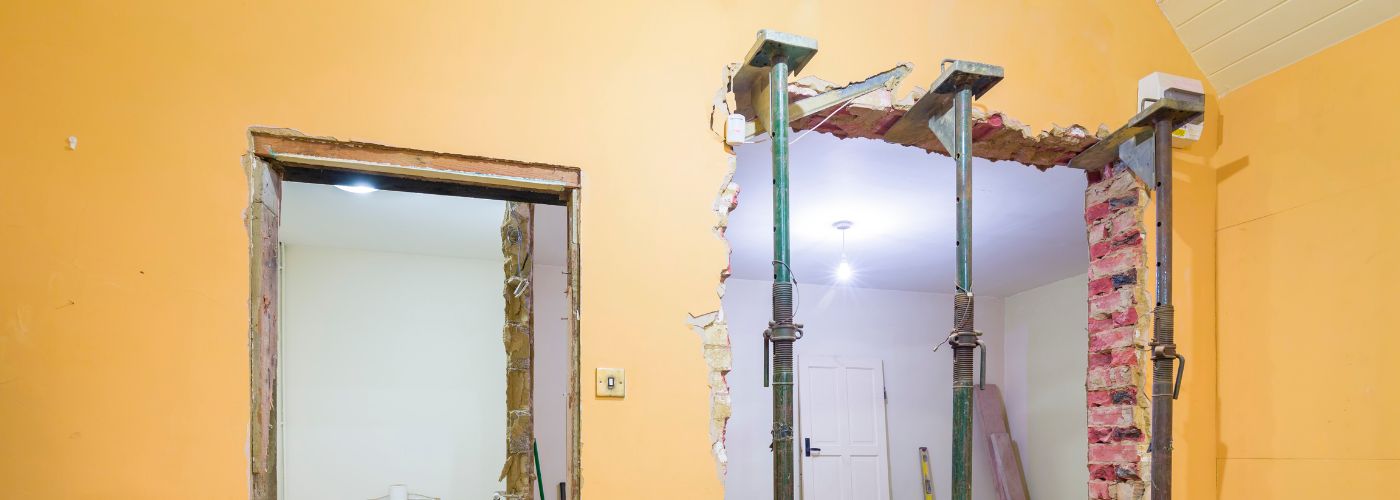
Support beams are often hidden within ceilings to create a cleaner appearance, but in some cases, they may remain visible as part of the room’s design. The size and installation process can vary greatly depending on the home’s layout and local building requirements.
Improperly installed beams can lead to sagging ceilings, cracked drywall, and long-term structural damage that becomes expensive to repair. Careful planning and professional installation are essential for keeping the home stable and secure.
Understand Permit and Building Code Requirements
Many homeowners are surprised to learn that knocking down walls often requires permits and inspections from local building departments. Permits help ensure that renovation work follows current building codes and safety standards.
Skipping permits may seem like a way to save time or money, but it can create major issues later if the work does not meet legal requirements.
Building codes are designed to protect homeowners by ensuring that structural changes, electrical work, and plumbing modifications are completed correctly. Some cities may require engineering plans or multiple inspections during the remodeling process.
Failing to obtain proper permits can lead to fines, delays, insurance complications, or problems when trying to sell the property in the future. Checking local requirements before starting demolition can prevent unnecessary stress and help keep the project moving forward properly.
Identify Potential Asbestos or Hazardous Materials
Older homes may contain hazardous materials that should be identified before knocking down walls begins. Asbestos was commonly used in insulation, drywall compounds, flooring materials, and other building products for many years. Lead paint may also be present in older properties.
Disturbing these materials during demolition can release harmful particles into the air and create serious health risks for everyone inside the home.
Professional testing is often recommended before starting renovations in homes built decades ago. If hazardous materials are found, certified removal specialists may be required to safely handle and dispose of them according to local regulations.
Ignoring potential environmental hazards during demolition can place homeowners, contractors, and family members at unnecessary risk. Taking proper precautions before helps create a safer wall renovation process and protects the long-term health of everyone involved.