
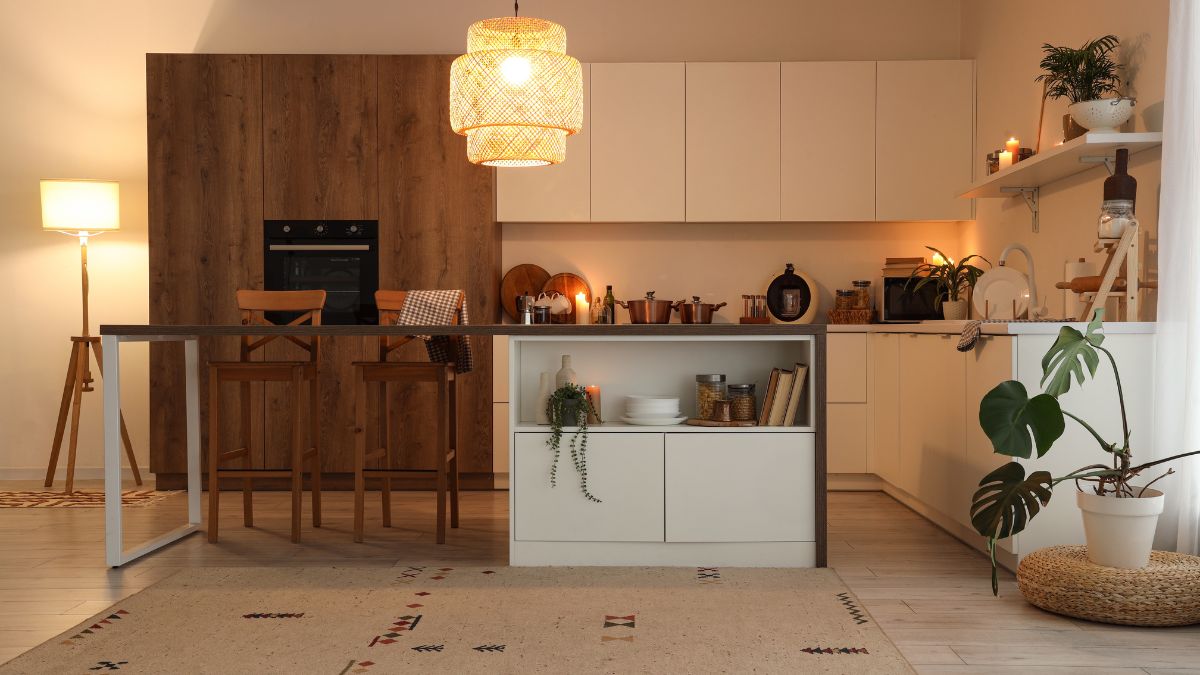
Lighting can change how a kitchen looks, feels, and functions throughout the day. The right setup can make food preparation easier while also creating a comfortable space for eating, gathering, and spending time with family.
This article goes over practical lighting options that can work with many different kitchen layouts and home designs.
Popular Kitchen Light Ideas For All Home Designs
Popular kitchen light ideas often combine more than one type of fixture to create a balanced space. A single ceiling fixture may provide basic brightness, but it does not always reach work areas, corners, counters, and seating spaces equally.
Using several light sources allows homeowners to place illumination where it is actually needed while giving the kitchen more visual depth.
Kitchen size, ceiling height, cabinet placement, natural light, and room layout can all influence which fixtures work well.
Smaller kitchens may benefit from simple ceiling fixtures and focused countertop lighting, while larger spaces can support pendants, recessed lights, and decorative fixtures without feeling crowded.
A well-planned lighting installation should make everyday kitchen tasks easier while keeping the room comfortable and visually balanced.
It is also helpful to think about how the kitchen is used at different times of day. Bright lighting may be useful during cooking and cleaning, while softer lighting can create a more relaxed environment during meals or evening gatherings.
Separate switches or dimmers can give homeowners greater control without requiring major changes to the overall design.
Pendant Lights Above Kitchen Islands
Pendant fixtures are among the most flexible kitchen light ideas for homes with an island or peninsula. Because these lights hang closer to the work surface than standard ceiling fixtures, they can provide focused illumination for food preparation, serving meals, doing homework, or other activities that take place around the island.

Pendant lights can serve a practical purpose while also becoming an important part of the kitchen’s overall design.
They are available in many shapes, sizes, and materials, making it possible to coordinate them with cabinets, countertops, hardware, and other finishes.
Simple glass fixtures can fit a modern or transitional kitchen, while metal, woven, or larger decorative shades can create a more noticeable design feature.
Placement is important when installing pendants above an island. Fixtures should be spaced evenly enough to distribute light across the surface without creating large dark areas between them.
Their height should also allow people to see comfortably across the island without the fixtures blocking sightlines or hanging too close to the countertop.
A kitchen island design should account for both practical use and the placement of lighting above the surface.
Under-Cabinet Lighting for Countertops
Under-cabinet fixtures are useful kitchen light ideas because overhead lighting can sometimes leave shadows across countertops.
Upper cabinets can block part of the light coming from the ceiling, especially when someone is standing directly in front of a work surface.
Installing lights underneath the cabinets brings illumination closer to the areas used for chopping, measuring, reading recipes, and preparing meals.
Several types of fixtures can be installed beneath cabinets, including small puck lights, slim bars, and continuous LED systems.
The best option often depends on the cabinet dimensions and how evenly the homeowner wants the countertop illuminated.
Continuous fixtures can reduce visible gaps between bright areas, while smaller individual lights may work well when only certain sections of the counter need additional brightness.
Good under-cabinet lighting can improve visibility without adding bulky fixtures to the main kitchen space.
Since the fixtures are usually hidden beneath the upper cabinets, they provide practical illumination while maintaining a clean appearance.
They can also create softer background lighting when the main ceiling fixtures are not needed during a kitchen remodel.
Recessed Lighting for Even Coverage
Recessed fixtures are practical kitchen light ideas for homeowners who want broad illumination without hanging multiple fixtures from the ceiling.
These lights are installed directly into the ceiling, which helps keep the surface visually open.
This can be especially useful in kitchens with lower ceilings or designs where cabinets, countertops, backsplashes, and other features are intended to receive most of the visual attention.
The effectiveness of recessed lighting depends heavily on thoughtful placement rather than simply installing as many fixtures as possible.
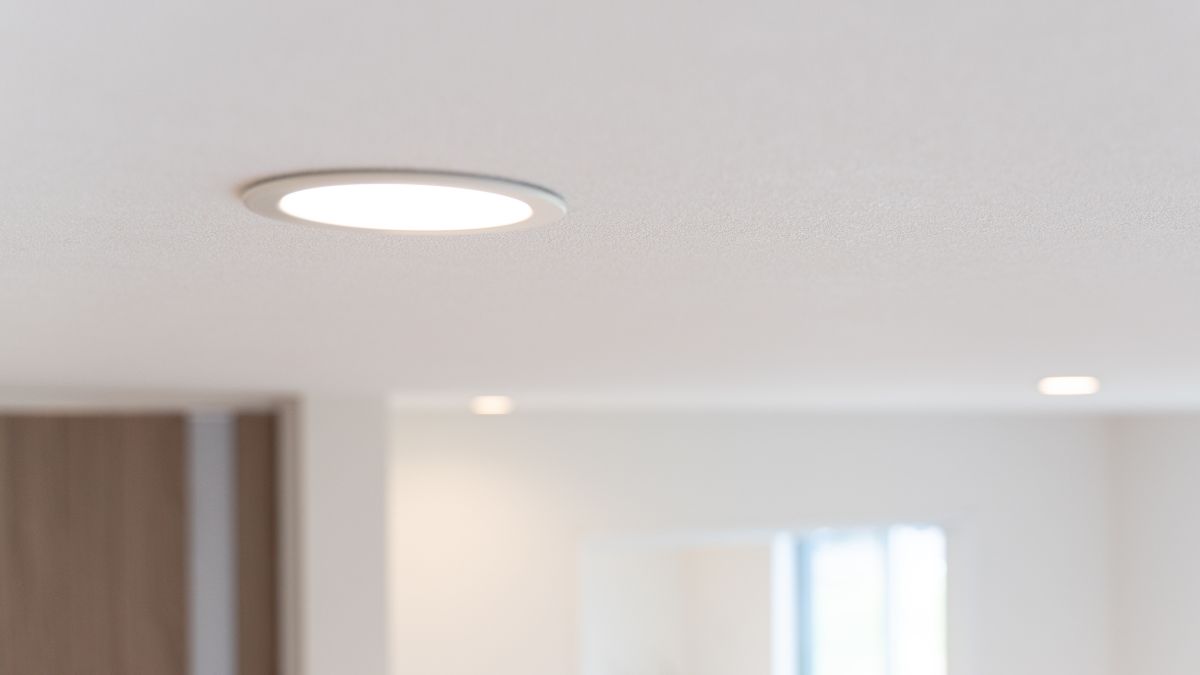
Lights that are too far apart may leave dim areas, while fixtures positioned incorrectly can create unwanted shadows over counters and work zones.
Planning their locations around the actual kitchen layout usually produces better results than arranging them only according to the dimensions of the ceiling.
Following proper lighting remodel installation practices is also important when adding new fixtures to an existing space.
Recessed lights can also work well as part of a layered lighting system. They can provide general brightness across the room while pendants handle island lighting and under-cabinet fixtures illuminate countertops.
This approach allows each fixture type to perform a specific job instead of depending on one source to illuminate the entire kitchen.
Statement Fixtures Above Dining Areas
Decorative fixtures can be useful kitchen light ideas for homes where a dining table or breakfast area is connected to the kitchen.
A larger chandelier, linear fixture, or decorative pendant can visually separate the dining area from the cooking space without requiring a wall or physical divider.
This can be particularly effective in open-concept layouts where several functions share one large room.
The size of the fixture should relate to the dining table and surrounding space. A very small fixture may feel lost above a large table, while an oversized design can overwhelm a compact breakfast area.
Shape can also help create visual balance. Long fixtures often pair naturally with rectangular tables, while round or grouped designs may complement circular and square tables.
Statement lighting does not have to be extremely elaborate to attract attention. A simple fixture with an interesting shape, finish, or material can create enough contrast to define the dining space.
The goal is to give the eating area its own identity while keeping it visually connected to the rest of the kitchen.
Looking at different light fixture ideas can also help homeowners compare designs that work with both dining and kitchen spaces.
LED Strip Lighting for Cabinets and Shelves
LED strips are flexible kitchen light ideas that can be installed in areas where traditional fixtures may be difficult to fit.
Their narrow design allows them to sit beneath cabinets, inside glass-front cabinets, along open shelves, or within other architectural details.
When installed carefully, the light source can remain mostly hidden while producing a clean line of illumination.
LED strips are especially useful when homeowners want to highlight specific kitchen features without adding another visible fixture.
For example, lighting along open shelving can draw attention to dishes or decorative items, while illumination inside cabinets can make stored items easier to see.
Strips placed beneath lower cabinets or around selected features can also provide subtle accent lighting after the main kitchen lights are turned off.
Color temperature should be considered when selecting LED lighting. Warmer light can create a softer and more inviting appearance, while cooler light may produce a brighter and more modern feel.
Matching the color temperature of different fixtures can help prevent one section of the kitchen from appearing noticeably warmer or cooler than another.
LED strips can also be paired with dimmers or separate controls to make the lighting more adaptable. Brighter settings may be useful when working at a counter, while lower settings can provide gentle illumination later in the evening.
When combined with ceiling, pendant, and task lighting, LED strips can help complete a layered system that supports both function and design through a professional lighting installation.