
Installing new flooring can completely transform a space, but even small errors can lead to long-term problems. Many of these issues are preventable with the right knowledge and preparation.
This article goes over the most common mistakes to avoid during flooring installation so you can achieve a smooth and lasting result.
Top Mistakes to Avoid During Flooring Installation
One of the biggest mistakes to avoid during flooring installation is rushing into the project without a clear plan. Many homeowners underestimate how detailed the process can be, from preparing the base to ensuring each piece fits perfectly.
When steps are skipped or done incorrectly, the final result may look uneven, wear out quickly, or even require costly repairs sooner than expected.
Another common issue is not using the right tools or materials for the specific type of flooring. Different flooring materials, such as hardwood, laminate, or vinyl, each have their own requirements.
Taking the time to understand your flooring type and following proper installation practices can prevent long-term damage and save you money in the future.
Incorrect Measurements That Lead to Material Shortages
Another major mistake to avoid during flooring installation is taking inaccurate measurements. Miscalculating the amount of flooring needed can result in running out of materials halfway through the project.
This not only delays the process but can also create inconsistencies if additional materials come from a different batch.

It is always recommended to measure the space carefully and add extra material for cuts, waste, and future repairs.
Having a little more material than needed is far better than falling short and compromising the final look of your flooring. Careful planning at this stage can prevent unnecessary stress and additional costs.
Skipping Proper Subfloor Preparation Before Installing Flooring
One of the most critical mistakes to avoid during flooring installation is neglecting the subfloor. The subfloor acts as the foundation for your new flooring, and if it is uneven, dirty, or damaged, it will affect everything placed on top of it.
Small imperfections can lead to squeaking, shifting, or visible dips in the finished floor.
Proper preparation includes cleaning, leveling, and repairing any cracks or moisture issues. If the subfloor is not stable and smooth, even the highest-quality flooring will not perform as expected.
Taking extra time at this stage ensures your flooring will last longer and look better over time.
Poor Layout Planning That Creates Uneven Floor Patterns
Poor planning of the layout is another mistake to avoid during flooring installation that often leads to disappointing results. Without a clear layout strategy, you may end up with awkward cuts, uneven patterns, or misaligned boards that are noticeable once the project is complete.
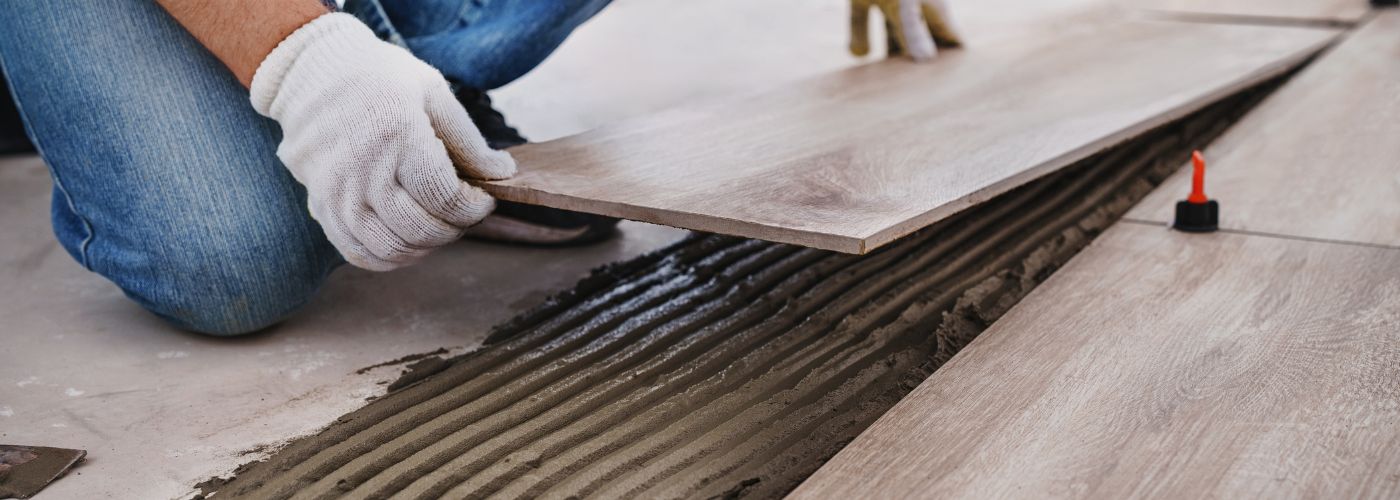
Before installation begins, it is important to map out how the flooring will be placed, especially in visible areas.
A well-thought-out layout ensures a balanced and professional appearance, avoiding narrow strips or mismatched patterns that can take away from the overall design.
Taking the time to plan can make a significant difference in the final outcome.
Installing Boards Too Tightly Without Expansion Space
One of the most overlooked mistakes to avoid during flooring installation is failing to leave enough expansion space. Flooring materials naturally expand and contract due to changes in temperature and humidity.
If boards are installed too tightly, they have no room to move, which can lead to buckling or warping.
Leaving proper gaps around the edges allows the flooring to adjust without causing damage. This simple step is essential for maintaining the integrity and appearance of your flooring over time.
Ignoring expansion space can result in costly repairs that could have easily been avoided.
Inconsistent Nail or Staple Placement Across Flooring
Inconsistent fastening is another serious mistake to avoid during flooring installation. Nails or staples that are placed unevenly can cause sections of the floor to feel loose or unstable.
Over time, this can lead to squeaks, shifting boards, and a less secure overall structure.
Using the correct spacing and technique ensures that the flooring remains firmly in place. Consistency in fastening not only improves durability but also enhances the overall feel and performance of the floor.
Paying attention to these details during installation helps create a solid and reliable finished product.